Building Traceability with Laser Marking
Serial numbers, DataMatrix codes and how to link permanent marks to your ERP without touching the operator workflow.
A mark is only useful if it is read back
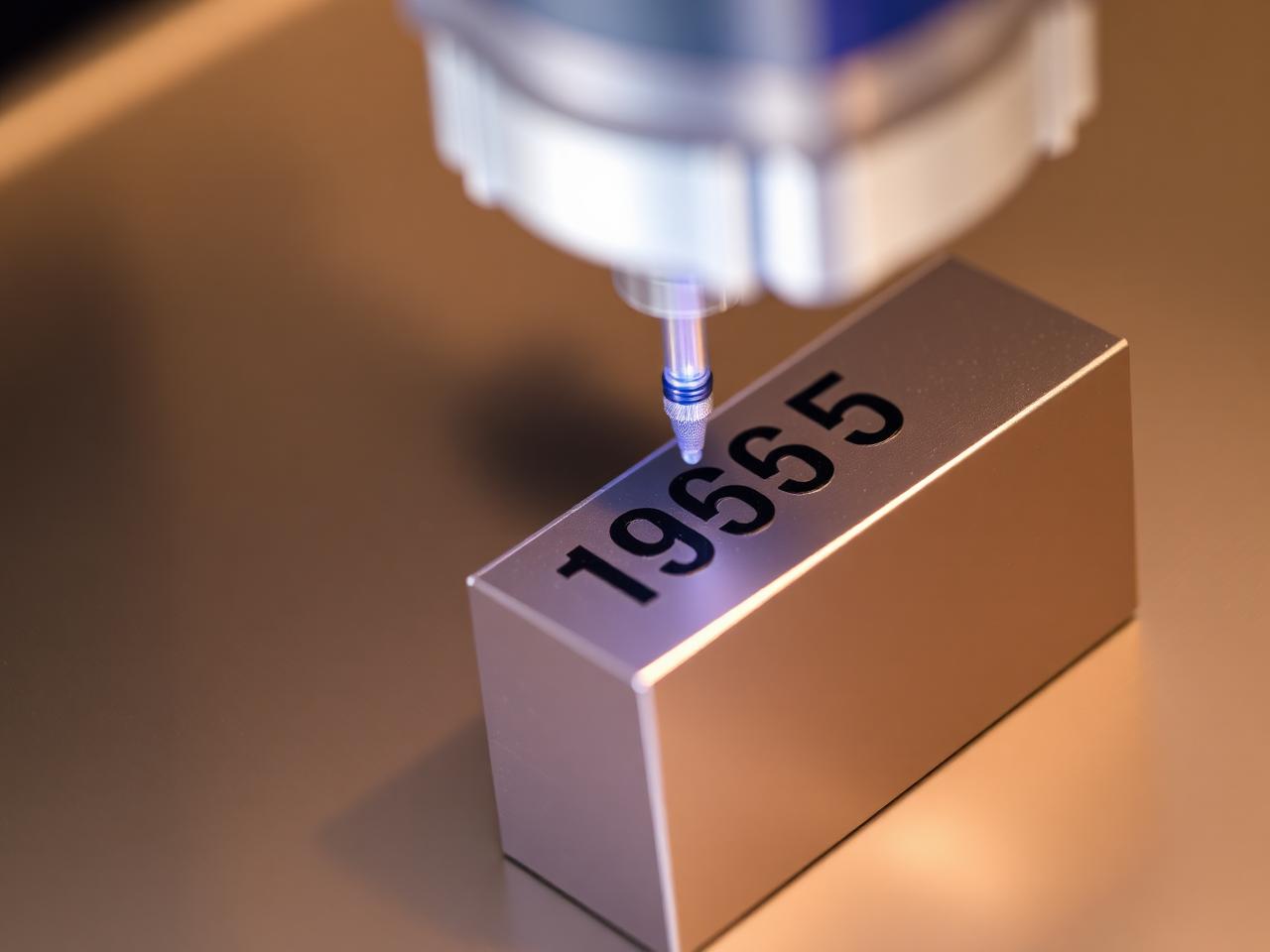
Stamping and inkjet are cheap but a stamped serial on a heat-treated part can become unreadable, and inkjet rubs off in the washing tank. A fiber-marked DataMatrix survives annealing, shot-blasting and powder coating — which means the code you write at the start of the line is the same code the customer scans at the end.
Readback at the marking station catches a mis-marked part before it costs anything downstream.
Link the mark to your ERP
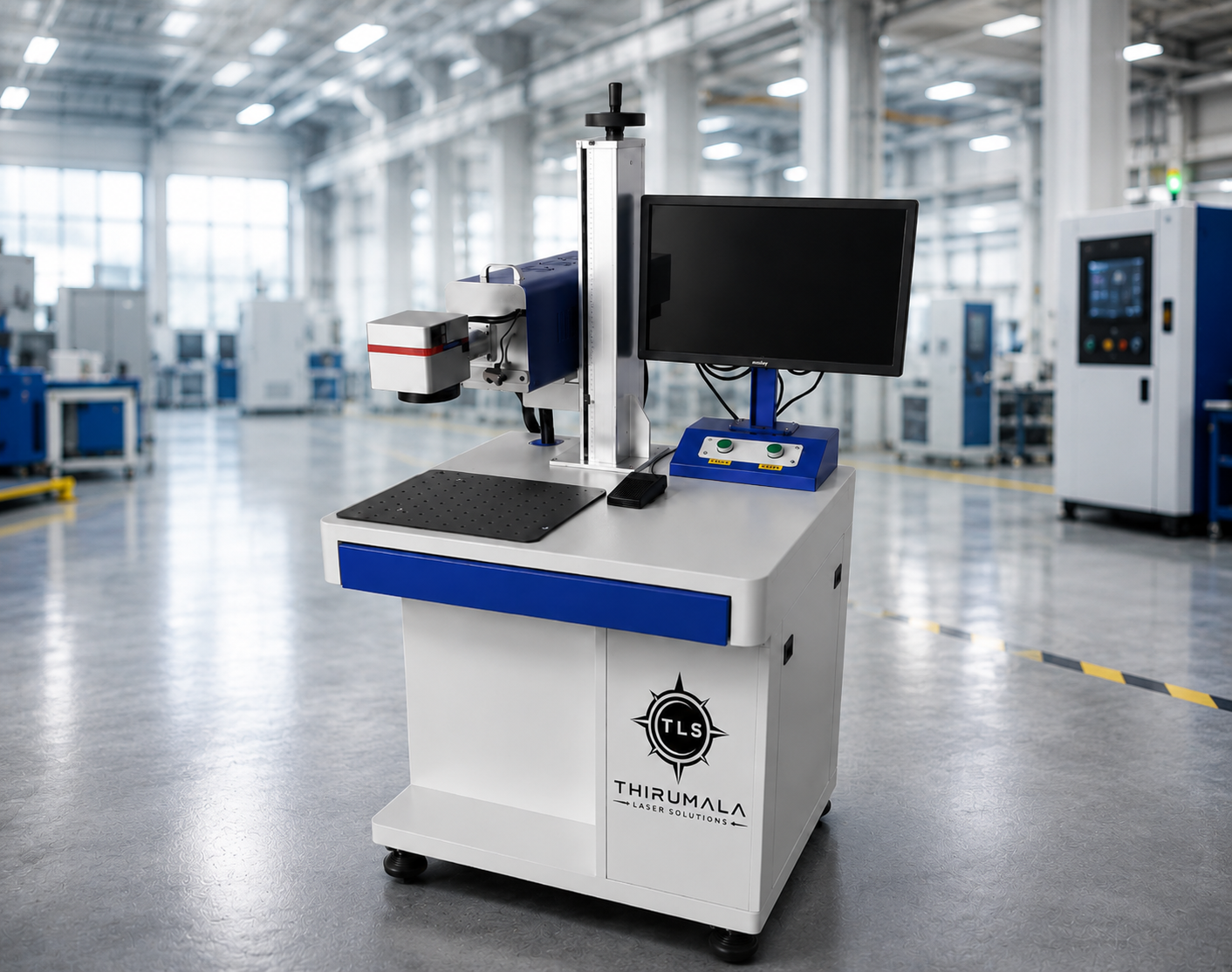
The trick is to have the marking machine pull its serial list from your ERP over a network connection, rather than the operator typing a number. The mark, the timestamp and the operator ID flow back automatically, so traceability is a by-product of the normal workflow instead of an extra step.
We integrate the marking software with most common Indian ERP setups, including Tally and custom SQL systems.
Choosing the right marking method for your material
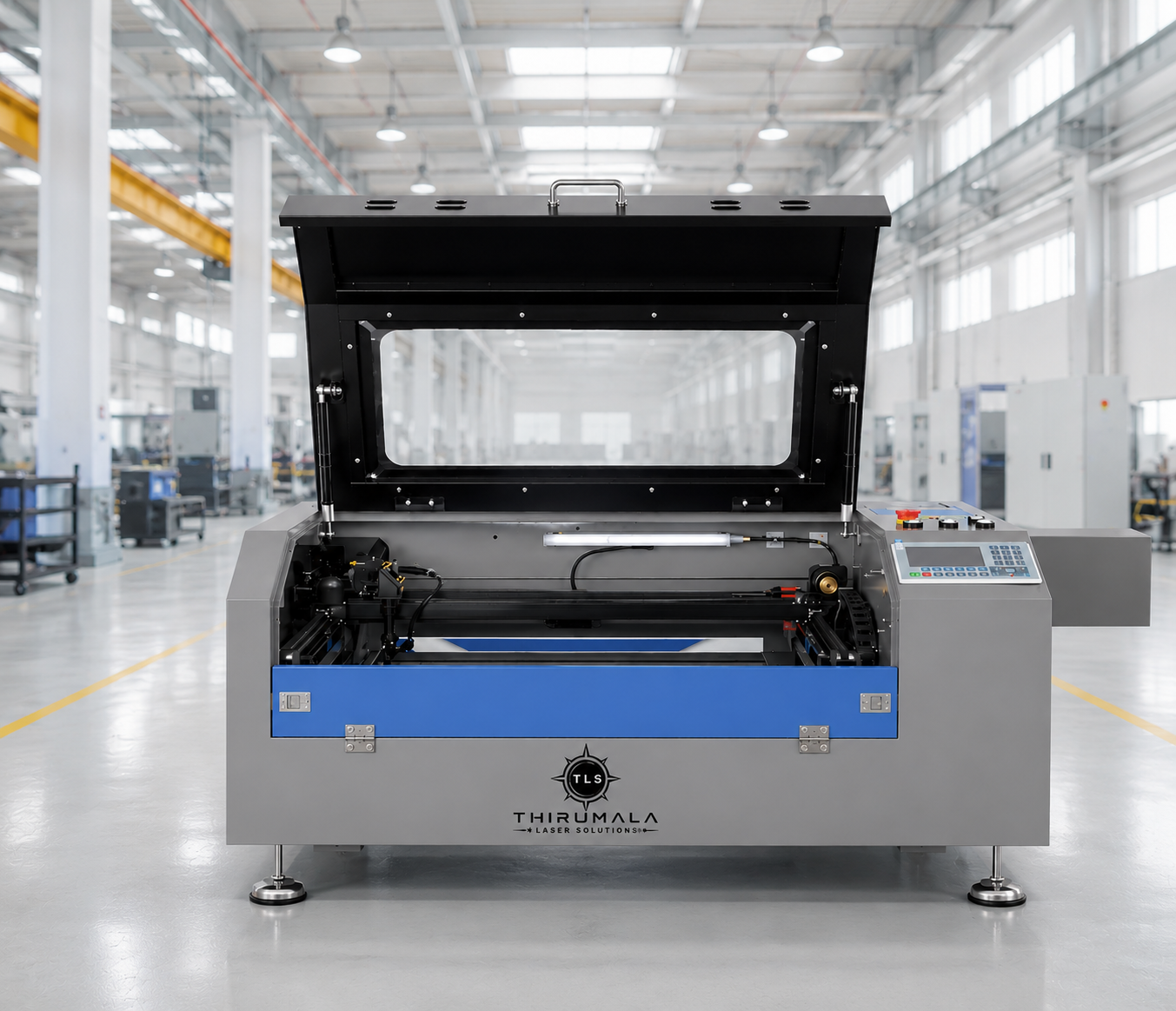
Fiber laser marking suits steel, stainless, aluminium, brass, copper and coated metals; MOPA fiber sources add black marking on anodised aluminium and colour marking on stainless. UV lasers handle sensitive plastics and glass without heat damage, and CO₂ marking is for wood, acrylic, leather and paper packaging.
Annealing, etching, engraving and colour marking are different processes on the same machine, controlled by pulse duration, frequency and power. Annealing leaves a corrosion-resistant, smooth mark that suits medical and food-contact parts where an engraved recess would trap contamination.
Code quality, standards and verification
A DataMatrix code is only compliant if it grades well. ISO/IEC 15415 and 29158 define contrast, modulation and axial non-uniformity, and most automotive and aerospace customers specify a minimum grade in the purchase order. Design the cell size to your reader's optics, keep the quiet zone clear and grade a sample from every setup.
Where a part must be traced through heat treatment or plating, mark before the process and verify after it. That proves the mark survives your actual production route rather than a laboratory test.
Throughput, fixturing and automation
Marking time is usually a fraction of handling time. A well-designed multi-part fixture, a rotary axis for round components and an on-the-fly marking setup over a conveyor can multiply output without a faster laser.
Serial numbers, date codes, batch codes, logos, QR codes and barcodes can all be driven from a database or a shop-floor scanner, so the operator's only task is loading and unloading.
Frequently asked questions
Is laser marking permanent? Yes — it is a change in the material itself, so it survives washing, blasting, painting and heat treatment.
What wattage do I need? 20 W to 30 W covers most identification marking; 50 W and above suits deep engraving and faster cycle times.
Can I mark serials automatically from my ERP? Yes, through database or API-driven marking with automatic readback and logging.
Send us a sample part and we will mark, grade and return it so you can see the code quality on your own material.